- Vaishnodevi Circle, SG Highway, Ahmedabad - 382421
- +91 79 6677 0000
- contact@kdhospital.co.in

- KD Advantage
- Specialities
Cataract
Retina
Cornea & Ocular Surface
Glaucoma
Vision Correction / Refractive Surgery
Paediatric Ophthalmology
Oculoplasty & Orbit
- Doctors
- Techonology
- Patient Corner
- More
- Book Appointment
- KD Advantage
- Specialities
Cataract
Retina
Cornea & Ocular Surface
Glaucoma
Vision Correction / Refractive Surgery
Paediatric Ophthalmology
Oculoplasty & Orbit
- Doctors
- Techonology
- Patient Corner
- More
- Book Appointment
- KD Advantage
- Specialities
Cataract
Retina
Cornea & Ocular Surface
Glaucoma
Vision Correction / Refractive Surgery
Paediatric Ophthalmology
Oculoplasty & Orbit
- Doctors
- Techonology
- Patient Corner
- More
- Book Appointment
- KD Advantage
- Specialities
Cataract
Retina
Cornea & Ocular Surface
Glaucoma
Vision Correction / Refractive Surgery
Paediatric Ophthalmology
Oculoplasty & Orbit
- Doctors
- Techonology
- Patient Corner
- More
- Book Appointment
Uveitis
- Home
- Uveitis
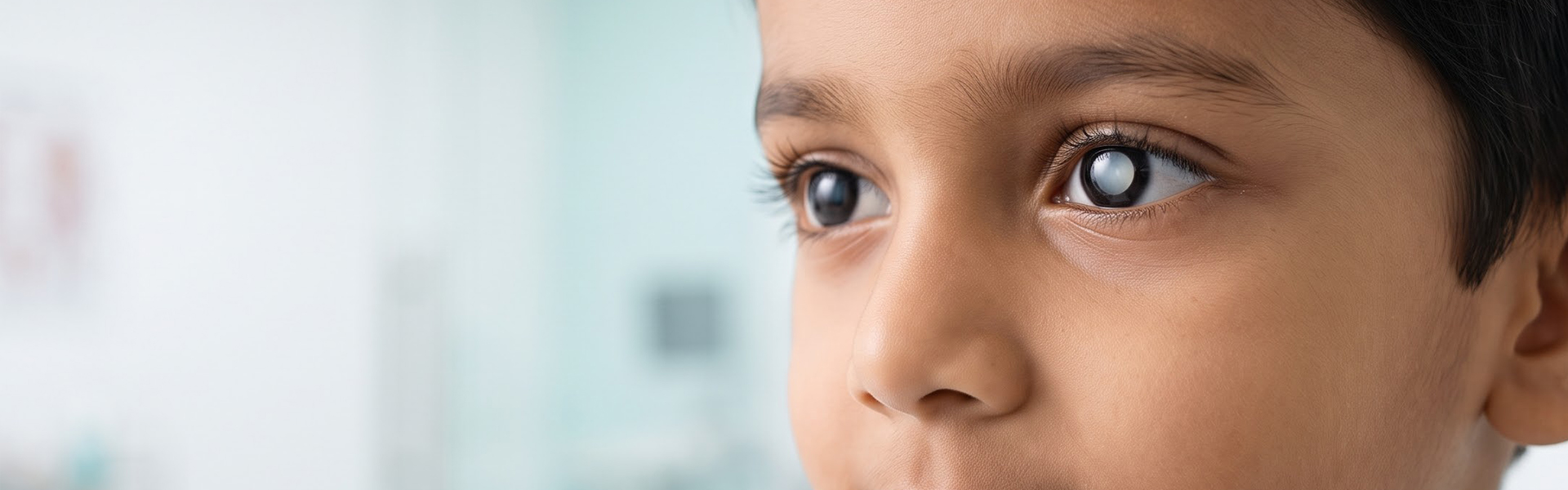
What Is Uveitis?
Uveitis is inflammation inside the eye, specifically in the uvea, the middle layer that includes the iris, the ciliary body, and the choroid. Think of it less as one disease and more as a symptom with many possible causes, similar to how a fever can come from all sorts of underlying problems. It can affect one eye or both, come on suddenly or build slowly, and range from a mild irritation that clears up on its own to a serious, recurring condition that threatens vision if it isn’t treated properly.
What Causes It
In a good number of cases, we never find a specific trigger, body’s immune system simply starts attacking the eye for reasons we can’t pin down. When there is an identifiable cause, it usually falls into one of a few categories.
- Autoimmune and inflammatory conditions are common culprits, including rheumatoid arthritis, ankylosing spondylitis, and inflammatory bowel disease, where the same immune over activity that affects joints or the gut can also affect the eye.
- Infections are another major cause, tuberculosis and herpes viruses are particularly relevant in India, along with toxoplasmosis.
- Less often, uveitis follows an eye injury or surgery, or turns out to be linked to certain cancers, especially in older adults presenting with unusual or one-sided inflammation.
Symptoms to Watch For
The symptoms depend somewhat on which part of the eye is inflamed, but a few things tend to show up across most types.
- A red, painful eye is the most obvious sign
- It is often paired with unusual sensitivity to light, sitting near a window or looking at a screen can suddenly feel uncomfortable.
- Blurred vision is common.
- Accompanied by floaters drifting across your field of view.
- Some people notice their pupil looks smaller or irregularly shaped compared to the other eye. If the inflammation has been present for a while without treatment, vision loss can creep in gradually enough that it's easy to attribute to something else, like needing new glasses.
Why Getting It Checked Early Matters
Uveitis isn’t something to wait out. Ongoing inflammation inside the eye can cause real, irreversible damage; scarring, cataracts, glaucoma, and swelling of the retina are all possible consequences of inflammation that’s left untreated or under-treated. The frustrating part is that a lot of this damage happens quietly, without pain necessarily getting worse, which is why regular monitoring matters as much as the initial diagnosis. Caught and controlled early, most people keep good vision long-term. Left to smoulder, uveitis can permanently take away sight that’s very hard to get back.
How We Diagnose It
Diagnosis starts with a detailed eye examination
- A slit lamp to look closely at the front of the eye.
- A dilated exam to check the retina and the back of the eye, since inflammation can hide in either place. From there, the workup depends on what the exam suggests.
- Imaging like OCT can show swelling in the retina that isn't visible to the naked eye.
- While fluorescein angiography maps out how inflammation is affecting blood flow inside the eye. Because uveitis is so often connected to something happening elsewhere in the body.
- Blood tests.
- Chest imaging
- A referral to a rheumatologist
- Infectious disease specialist is part of getting to the bottom of what's actually driving it, particularly for recurrent or stubborn cases.
How We Treat It
The first goal is always to calm the inflammation and protect your vision, and the second is to figure out and address whatever’s causing it.
- Steroid eye drops are usually the starting point for inflammation at the front of the eye, and they work quickly for a lot of people. When inflammation reaches deeper into the eye, steroids may need to be given as an injection around or inside the eye, or occasionally as tablets for more widespread or stubborn disease. For uveitis that keeps coming back or doesn't respond well to steroids alone, we bring in immunosuppressive or biologic medications, the same broad category of drugs used for autoimmune conditions like rheumatoid arthritis, to bring the immune system's overreaction under longer-term control.
- If a specific infection turns out to be the cause, treating that infection directly is essential, since steroids alone in that situation can actually make things worse.
- Surgery has a role too, mainly for complications like cataracts or scarring that develop after the inflammation itself has been brought under control.
After Treatment
Uveitis has a real tendency to come back, sometimes months or years after it first seemed to settle down, so ongoing follow-up is part of the deal rather than a formality. Regular eye checks help catch any flare-up before it causes damage, and for anyone on longer-term steroids or immunosuppressive medication, we also keep an eye on side effects, steroid use in particular needs monitoring for its own risks to eye pressure and cataract formation. If an underlying condition like an autoimmune disease was found, staying in touch with that specialist alongside your eye doctor tends to give the best long-term control.
Outlook
Most people with uveitis do well once the inflammation is properly controlled, and a large number never lose meaningful vision if they’re diagnosed and treated in good time. The cases that struggle most are usually the ones that go undiagnosed for a long stretch, or that keep flaring up without a plan to manage them long-term. With the right combination of treatment and consistent follow-up, though, uveitis is very much a manageable condition rather than one that has to define your vision going forward.
A Message for Patients
A red, painful eye that doesn’t clear up in a day or two, unusual light sensitivity, or blurred vision with floaters are all reasons to get checked rather than wait it out, uveitis can look deceptively mild at first while still doing quiet damage underneath. It’s a condition we can control well in most people, but only if it’s caught and managed properly, and that starts with not brushing off an eye that just doesn’t feel right.
-
Find a clinic near you
-
Call for an appointment!
-
Feel free to message us!
KD Eye Centre
- KD Hospital Campus Block B, Vaishnodevi Circle, SG Highway, Ahmedabad-382421