- Vaishnodevi Circle, SG Highway, Ahmedabad - 382421
- +91 79 6677 0000
- contact@kdhospital.co.in

- KD Advantage
- Specialities
Cataract
Retina
Cornea & Ocular Surface
Glaucoma
Vision Correction / Refractive Surgery
Paediatric Ophthalmology
Oculoplasty & Orbit
- Doctors
- Techonology
- Patient Corner
- More
- Book Appointment
- KD Advantage
- Specialities
Cataract
Retina
Cornea & Ocular Surface
Glaucoma
Vision Correction / Refractive Surgery
Paediatric Ophthalmology
Oculoplasty & Orbit
- Doctors
- Techonology
- Patient Corner
- More
- Book Appointment
- KD Advantage
- Specialities
Cataract
Retina
Cornea & Ocular Surface
Glaucoma
Vision Correction / Refractive Surgery
Paediatric Ophthalmology
Oculoplasty & Orbit
- Doctors
- Techonology
- Patient Corner
- More
- Book Appointment
- KD Advantage
- Specialities
Cataract
Retina
Cornea & Ocular Surface
Glaucoma
Vision Correction / Refractive Surgery
Paediatric Ophthalmology
Oculoplasty & Orbit
- Doctors
- Techonology
- Patient Corner
- More
- Book Appointment
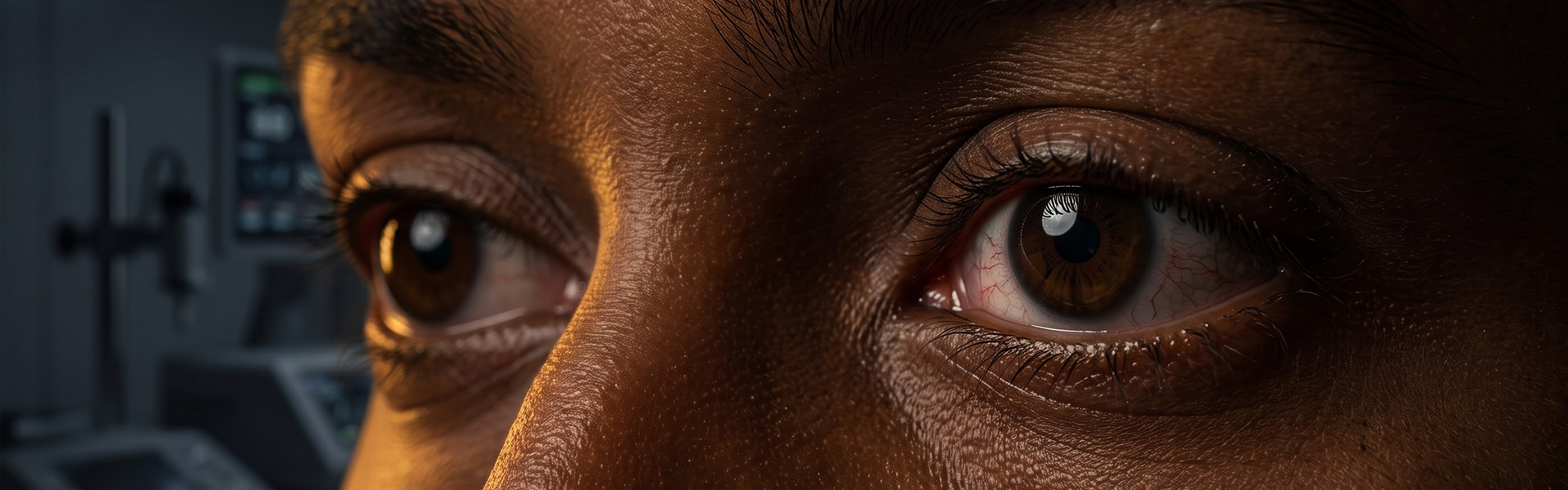
Understanding, Preventing, and Managing Dry Eye Disease
What are dry eyes?
Dry eye disease (DED) is a common condition that occurs when your eyes do not produce enough tears or when tears evaporate too quickly. Tears are essential for keeping the eye surface smooth, moist and healthy. Without adequate lubrication, everyday activities such as reading, driving, or using digital devices can become uncomfortable.
Common causes
Dry eyes may result from one or more of the following:
- Ageing (especially after 50 years)
- Prolonged screen time and reduced blinking
- Air conditioning, wind, smoke, or dry climates
- Contact lens wear (long term)
- Hormonal changes, particularly in women
- Certain medications (antihistamines, antidepressants, and blood pressure medications)
- Autoimmune diseases such as Sjögren's syndrome, rheumatoid arthritis, and lupus
- Previous eye surgery
Common signs & symptoms
- Burning or stinging sensation
- Grittiness or foreign body sensation
- Redness of the eyes
- Blurred or fluctuating vision
- Sensitivity to light
- Excessive watering (a response to irritation)
- Eye fatigue, especially after reading or computer use
- Poor tolerance to contact lenses (redness or irritation)
Seek professional evaluation if you experience these symptoms often or if they are persistent.
How is it diagnosed?
An eye care professional will perform a comprehensive eye examination, which may include:
- Review of symptoms and medical history
- Tear film assessment
- Schirmer's test (measures tear production)
- Tear Break-Up Time (TBUT)
- Ocular surface staining to detect damage
- Examination of the eyelids and meibomian glands
The above simple, quick, and painless tests can help with early diagnosis and the initiation of appropriate treatment to prevent worsening and improve comfort.
Modern diagnostics
Imaging tools are now available for quick and non-invasive tear film analysis.
Dry eye questionnaires
Your clinician may ask you to fill out a questionnaire. At the same time, in the waiting area, a structured set of questions is used to assess symptom severity, quantify the impact of symptoms on daily activities, and evaluate treatment response. Because signs of dry eye and patient symptoms often do not correlate well, questionnaires provide valuable patient-reported outcome measures that complement clinical tests.
Treatment & self-care
Treatment depends on the underlying cause and severity.
Medical treatment
- Artificial tears and lubricating eye drops
- Lubricating gels or ointments
- Prescription anti-inflammatory eye drops
- Punctal plugs (to reduce tear drainage)
- Treatment for eyelid inflammation or meibomian gland dysfunction
Treatment of dry eye with machine-based heat therapy
Machine-based heat therapy is an advanced treatment for evaporative dry eye disease (EDED) caused by meibomian gland dysfunction (MGD). These devices deliver controlled heat, with or without gentle pressure, to melt obstructed meibum (oil) within the meibomian glands, improving gland function and restoring the tear film lipid layer.
Self-care tips
- Follow the 20-20-20 rule during screen use
- Blink frequently
- Stay hydrated
- Use a humidifier in dry environments
- Wear protective eyewear outdoors
- Avoid excessive use of eye makeup like kajal
Protect your vision
Most cases of dry eye can be effectively managed with early diagnosis, appropriate treatment, and healthy eye-care habits. Avoid using over-the-counter eye drops without professional advice, as the causes and severity of dry eyes can vary.
If you experience persistent discomfort, redness, pain, or vision changes, schedule an eye examination promptly.
-
Find a clinic near you
-
Call for an appointment!
-
Feel free to message us!
KD Eye Centre
- KD Hospital Campus Block B, Vaishnodevi Circle, SG Highway, Ahmedabad-382421