- Vaishnodevi Circle, SG Highway, Ahmedabad - 382421
- +91 79 6677 0000
- contact@kdhospital.co.in

- KD Advantage
- Specialities
Cataract
Retina
Cornea & Ocular Surface
Glaucoma
Vision Correction / Refractive Surgery
Paediatric Ophthalmology
Oculoplasty & Orbit
- Doctors
- Techonology
- Patient Corner
- More
- Book Appointment
- KD Advantage
- Specialities
Cataract
Retina
Cornea & Ocular Surface
Glaucoma
Vision Correction / Refractive Surgery
Paediatric Ophthalmology
Oculoplasty & Orbit
- Doctors
- Techonology
- Patient Corner
- More
- Book Appointment
- KD Advantage
- Specialities
Cataract
Retina
Cornea & Ocular Surface
Glaucoma
Vision Correction / Refractive Surgery
Paediatric Ophthalmology
Oculoplasty & Orbit
- Doctors
- Techonology
- Patient Corner
- More
- Book Appointment
- KD Advantage
- Specialities
Cataract
Retina
Cornea & Ocular Surface
Glaucoma
Vision Correction / Refractive Surgery
Paediatric Ophthalmology
Oculoplasty & Orbit
- Doctors
- Techonology
- Patient Corner
- More
- Book Appointment
Squint
- Home
- Paediatric Eye
- Squint
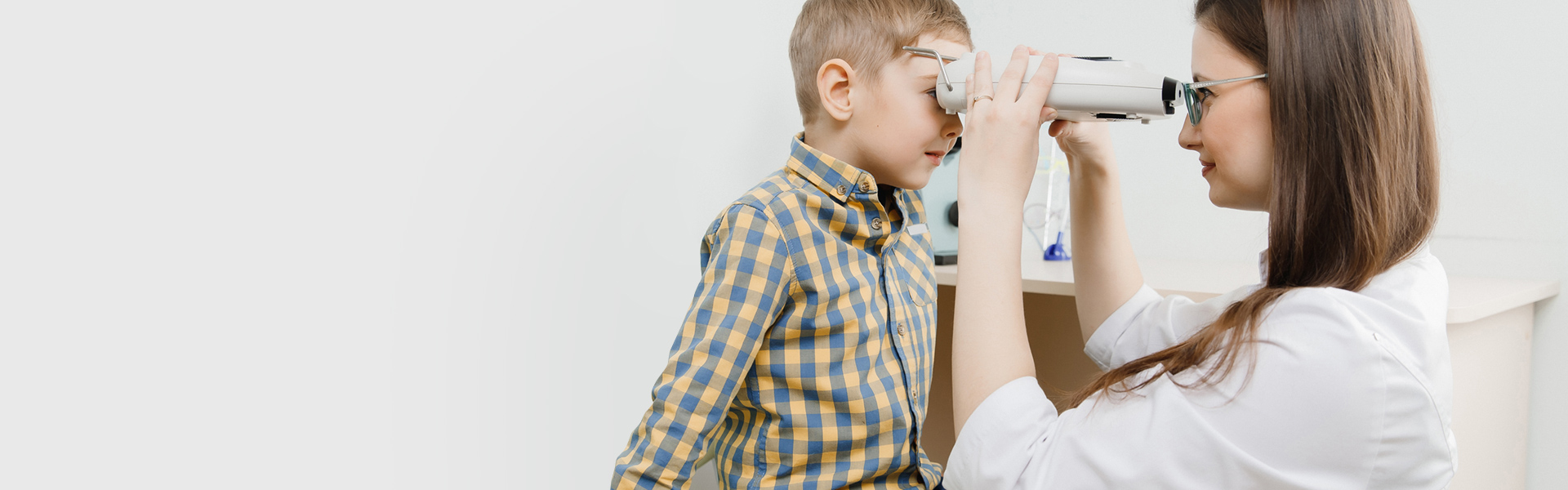
Have you ever seen someone’s eyes that do not quite line up, one eye looking straight ahead while the other eye seems to drift inward, outward, upward or downward? This is called squint or squint. It is more common than most people think.
Normally, our eyes work together as a team. They move together, focus on the point and send the same image to the brain, which then puts them together into one clear picture. But with squint, this does not work properly. The eyes stop pointing in the same direction, and instead of working together, one eye does its own thing.
Who does squint affect?
Squint is often noticed in children, sometimes even when they are babies, and many parents first notice it in photographs or when their child is looking directly at them. Squint is not just something that happens to children. Adults can also experience this condition, sometimes due to injury, muscle or nerve issues, or an underlying health problem.
Why does it matter to pay attention to squinting?
In children, a squint does not just affect their appearance; it can have serious implications for their vision. If left untreated, the brain may begin to ignore signals from the misaligned eye to avoid seeing double. This neglect can lead to a weakening of vision in that eye, a condition known as amblyopia. Therefore, it is crucial to detect and address squints early. The sooner treatment begins, the better the chances of correcting the alignment and preventing long-term vision problems.
In adults, squint can cause vision problems, eye strain and difficulty judging distances. And it can also affect how confident they feel because eye contact and appearance are closely tied to how we interact with others.
Types of Squint
- Esotropia: Eye turns inward toward the nose
- Exotropia: Eye turns outward toward the ear.
- Hypertropia: Eye turns upward.
- Hypotropia : Eye turns downward.
How is Squint Diagnosed?
- Vision assessment
- Eye alignment assessment
- Eye movement examination
- Refraction
Signs & Symptoms
- Eyes do not appear aligned
- One eye turns in, out, up, or down
- Head tilt or face turn
- Double vision
- Poor depth perception (difficulty judging distances)
- Eye strain or headaches
Causes of Squint
- Eye muscle imbalance
- Uncorrected glasses power
- Amblyopia (lazy eye)
- Family history of squint
- Premature birth
- Neurological or developmental conditions
- Eye injury
Treatment Options
- Glasses
- Patching if amblyopia is present.
- Orthoptic / Vision Therapy
- Eye exercises
- Squint Surgery
Why is Early Treatment Important?
- Improve vision
- Prevent lazy eye (amblyopia)
- Improve eye coordination
- Improve stereopsis (3D vision)
- Improve depth perception
- Reduce the risk of long-term vision problems
Consult an eye specialist if:
- Eye turning in any direction
- Frequent tilting of the head
- There is double vision
- Vision appears poor in one eye
- There is frequent eye strain or headache
At KD Eye Centre, our experienced specialists thoroughly evaluate each case to understand its underlying cause and determine the most effective treatment options. This may include non-surgical corrections or advanced surgical interventions. Identifying and treating a squint early can significantly impact both vision and self-confidence. That’s why we’re here to provide the necessary support and care for squint.
Early diagnosis and treatment can make a big difference. Most cases of squint can be successfully managed when detected early.
Key message for parents
Squint is more than a cosmetic concern, it can affect your child’s vision and visual development. Early eye examination, timely treatment, and regular follow-up can help protect vision, improve eye alignment, and support healthy binocular vision.
-
Find a clinic near you
-
Call for an appointment!
-
Feel free to message us!
KD Eye Centre
- KD Hospital Campus Block B, Vaishnodevi Circle, SG Highway, Ahmedabad-382421